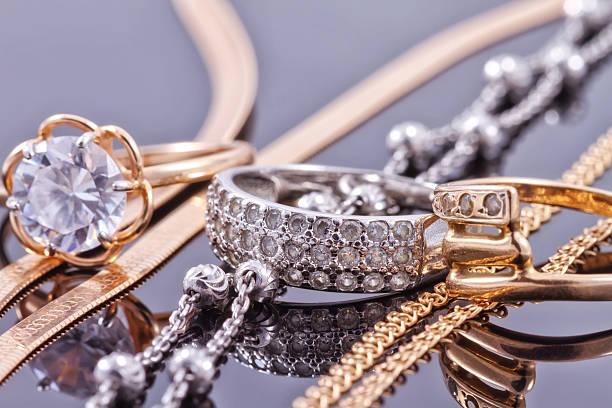
Artificial Jewellery Market continues to gain momentum as evolving consumer lifestyles favor affordable, customizable, and seasonal fashion accessories. The shift toward expressive styling and accessible luxury has transformed demand patterns for trendy ornaments, affordable fashion jewellery, and contemporary accessory collections worldwide.
Modern consumers are influenced heavily by social media trends and celebrity endorsements. This has shortened product cycles and increased repeat purchasing frequency. Artificial jewellery brands are responding by expanding rapid production capabilities and launching micro-collections aligned with emerging fashion aesthetics. Innovations in plating durability and hypoallergenic coatings have improved product longevity while maintaining competitive pricing structures.
Major brands including Swarovski, Pandora, Zara, H&M, and BaubleBar are strengthening digital commerce ecosystems. Recent developments include subscription-based accessory models, influencer capsule collections, sustainable sourcing commitments, and entry into emerging markets. Companies are also implementing data analytics tools to monitor consumer preferences and optimize inventory turnover.
The growth of the fashion accessories market is influencing detailed segmentation across gender, product category, and distribution channel. Women remain the primary consumer group, although men’s fashion accessories are gaining traction. Earrings and necklaces maintain high demand due to daily wear versatility. Asia-Pacific dominates consumption and production due to strong domestic supply chains and expanding urban populations. Europe demonstrates steady demand driven by premium mid-range brands, while North America benefits from influencer marketing and digital-first retail.
Artificial Jewellery Market expansion will be sustained by brand innovation, strategic collaborations, and supply chain efficiency. Businesses that adapt quickly to fashion volatility and integrate cost-effective designer accessories into digital platforms will secure competitive positioning.
FAQ:
Q1: Why are millennials and Gen Z key target groups?
A1: They prioritize affordability, frequent style updates, and influencer-driven fashion trends.
Q2: Which product categories show consistent demand?
A2: Earrings and layered necklaces remain highly popular.
Q3: How are brands increasing loyalty?
A3: Through personalized marketing, subscription services, and limited-edition releases.
Q4: What regions offer expansion opportunities?
A4: Emerging Asia-Pacific markets provide strong growth potential.
Discover More Research Reports